
Weight Loss Peptides
Weight loss peptides is our broadest metabolic collection. Alongside the GLP-1 family it includes compounds that reach energy balance through other routes: AOD-9604 for lipolysis, MOTS-c for mitochondrial energy sensing and setmelanotide for the MC4R appetite pathway. All are supplied for laboratory research only.
Different pathways, one collection
Incretin agonists act on gut-hormone receptors. Setmelanotide works downstream of leptin in the hypothalamus. AOD-9604 is a growth hormone fragment studied for fat breakdown without raising IGF-1. MOTS-c activates AMPK, the cell’s energy sensor. Having them together makes comparison studies simpler.
How to use this page
If your work is focused on incretin receptors, the GLP-1 peptides collection is narrower. Use this page when you want to compare mechanisms across pathways.
In this collection: Semaglutide 2mg, Semaglutide 5mg, Semaglutide 10mg, Tirzepatide 5mg, Tirzepatide 10mg, Tirzepatide 30mg, Mazdutide 6mg, MOTS-c 10mg, Retatrutide 15mg, Semaglutide 12.5mg, Cagrilintide 5mg, Retatrutide 5mg, Survodutide 5mg, Setmelanotide 10mg, Cagrilintide Semaglutide Blend 3mg/3mg, AOD-9604 2mg, Semaglutide 20mg, Tirzepatide 50mg, Cagrilintide Semaglutide Blend 10mg/10mg, Retatrutide 35mg, Cagrilintide 10mg, Tirzepatide 60mg, Retatrutide 10mg, Retatrutide 60mg.
Are these peptides for human weight loss?
No. They are sold for in-vitro and animal research only and are not for human or veterinary use.
What is the difference between this and the GLP-1 collection?
GLP-1 peptides covers incretin compounds only. Weight loss peptides adds non-incretin metabolic compounds such as AOD-9604, MOTS-c and setmelanotide.
All products are sold for laboratory research use only. Not for human or veterinary use.
Showing 1–16 of 24 results
-
Sale!
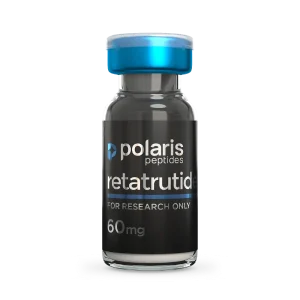
Retatrutide 60mg
Price range: $400.00 through $5,600.00 Select options This product has multiple variants. The options may be chosen on the product page -
Sale!

Retatrutide 10mg
Price range: $89.00 through $1,246.00 Select options This product has multiple variants. The options may be chosen on the product page -

Cagrilintide Semaglutide Blend 10mg/10mg
$149.00 Add to cart -
Sale!
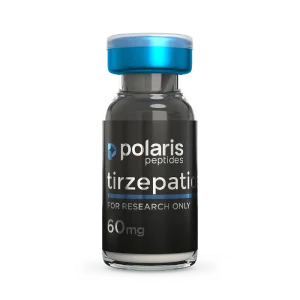
Tirzepatide 60mg
Price range: $309.00 through $4,326.00 Select options This product has multiple variants. The options may be chosen on the product page -
Sale!
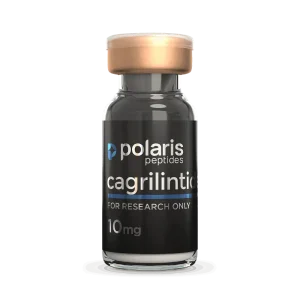
Cagrilintide 10mg
Price range: $140.00 through $1,960.00 Select options This product has multiple variants. The options may be chosen on the product page -
Sale!
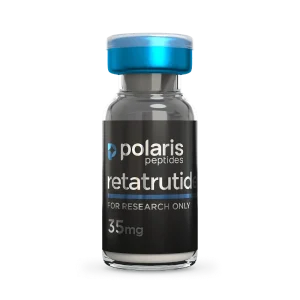
Retatrutide 35mg
Price range: $275.00 through $3,850.00 Select options This product has multiple variants. The options may be chosen on the product page -
Sale!
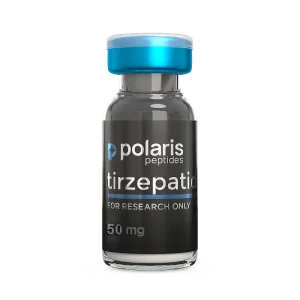
Tirzepatide 50mg
Price range: $270.00 through $3,780.00 Select options This product has multiple variants. The options may be chosen on the product page -
Sale!
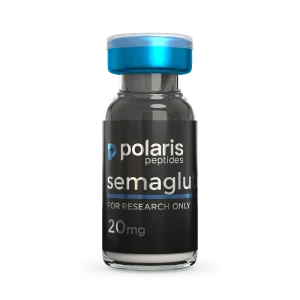
Semaglutide 20mg
Price range: $165.00 through $2,310.00 Select options This product has multiple variants. The options may be chosen on the product page -
Sale!

Cagrilintide Semaglutide Blend 3mg/3mg
Original price was: $75.00.$50.00Current price is: $50.00. Add to cart -
Sale!
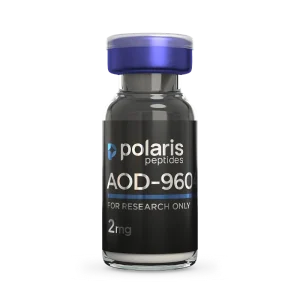
AOD-9604 2mg
Price range: $40.00 through $560.00 Select options This product has multiple variants. The options may be chosen on the product page -
Sale!
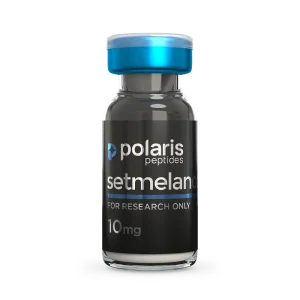
Setmelanotide 10mg
Price range: $60.00 through $840.00 Select options This product has multiple variants. The options may be chosen on the product page -
Sale!
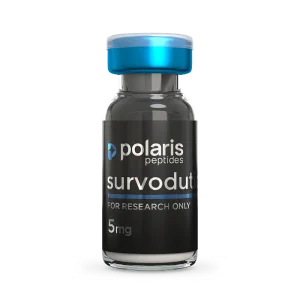
Survodutide 5mg
Price range: $75.00 through $1,050.00 Select options This product has multiple variants. The options may be chosen on the product page -
Sale!
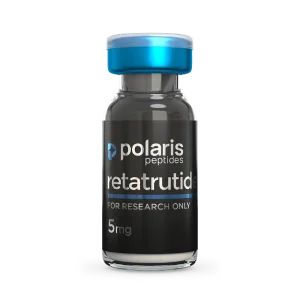
Retatrutide 5mg
Price range: $50.00 through $700.00 Select options This product has multiple variants. The options may be chosen on the product page -
Sale!
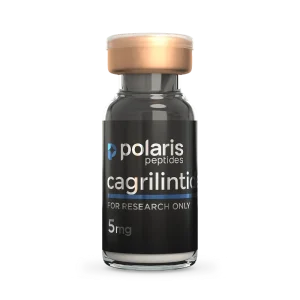
Cagrilintide 5mg
Price range: $80.00 through $1,120.00 Select options This product has multiple variants. The options may be chosen on the product page -
Sale!
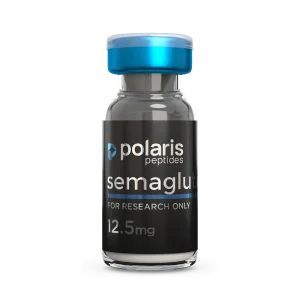
Semaglutide 12.5mg
Price range: $105.00 through $1,470.00 Select options This product has multiple variants. The options may be chosen on the product page -
Sale!
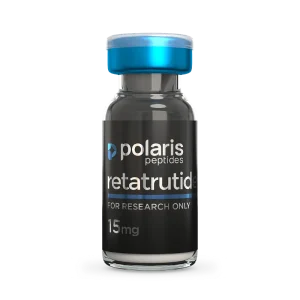
Retatrutide 15mg
Price range: $130.00 through $1,820.00 Select options This product has multiple variants. The options may be chosen on the product page